
“Mansion tour” is a vague promise. Some are one house and forty minutes. Some are a walk past locked front doors. So here is the honest answer to the question people actually mean: what will I see, and is it worth the afternoon?
Our Gilded Age Mansion Tour is a narrated ride through the neighbourhoods where Minneapolis kept its flour, lumber and grain fortunes — Loring Park, Lowry Hill, Park Avenue and Stevens Square. Roughly a dozen and a half houses, all still standing, most still private. Here is the roll call.
The houses on the route
Not every house appears on every ride, and the guide will follow the conversation, but this is the core of it:
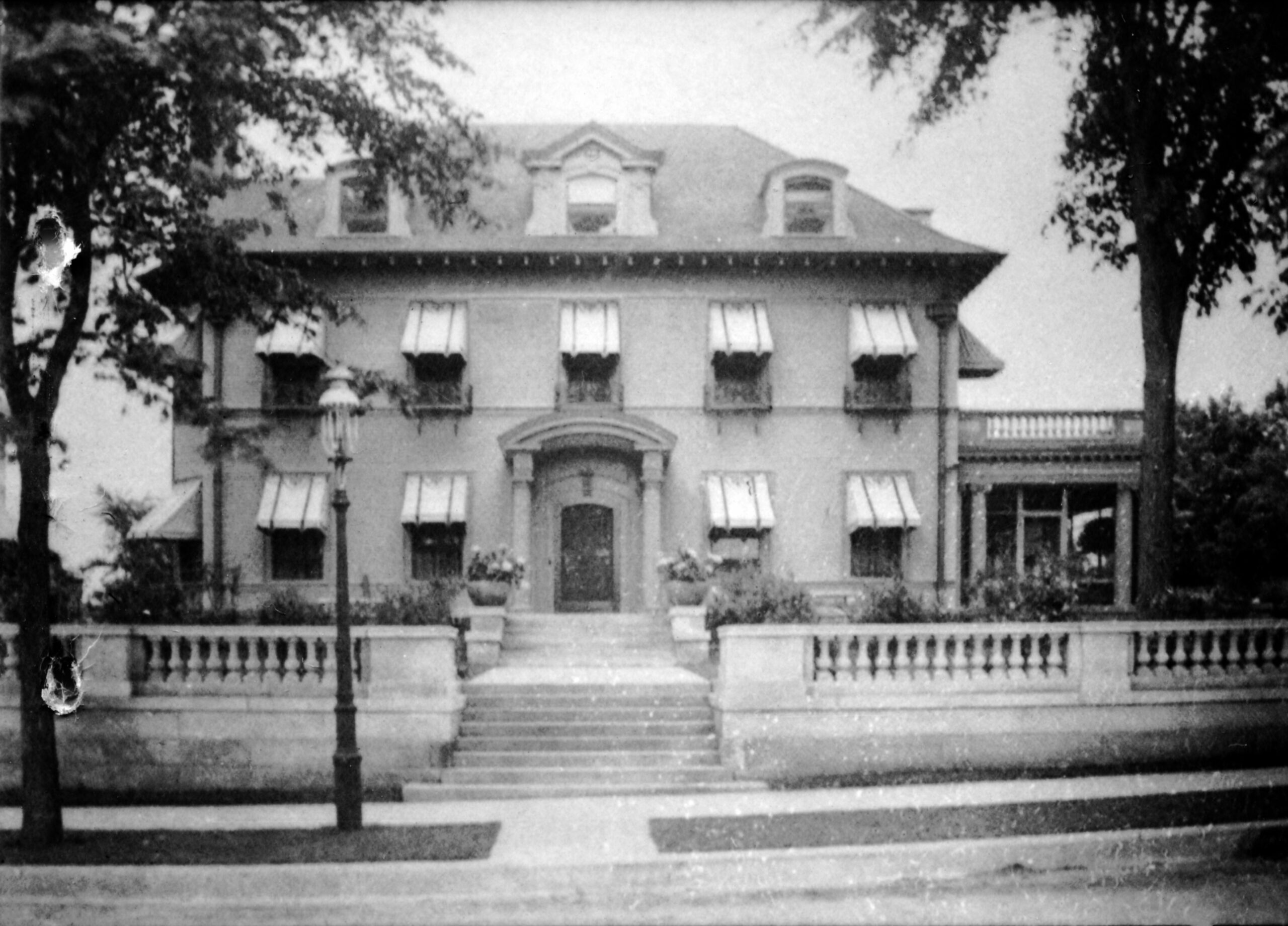
- The Eugene and Merrette Carpenter Mansion, 300 Clifton Avenue — lumber money, Georgian, by the architect Edwin Hewitt. Widely called the finest Georgian architecture in Minnesota.
- The Alden Smith Mansion, 1400 Harmon Place — door and sash money, 1887, Richardsonian Romanesque, by William Channing Whitney.
- The George R. Newell Mansion, 1818 LaSalle, 1888 — the grocery business that eventually became Supervalu.
- The Van Dusen Mansion, 1900 LaSalle, 1891 — grain elevators.
- The Semple Mansion, 100 West Franklin, 1901 — Renaissance Revival, by the Long brothers, who also designed Minneapolis City Hall.
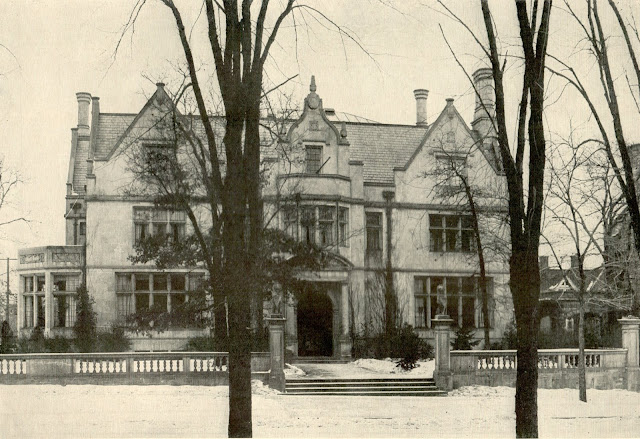
- The Charles S. Pillsbury Mansion, 100 East 22nd Street — the flour dynasty, English Gothic Revival, and the house our trolleys depart from.
- The Alfred Pillsbury House, 116 East 22nd, 1901 — Tudor Revival, next door to his brother.
- The Gale Mansion, 2115 Stevens, 1912; the Bradstreet/Merrill Mansion, 2116 Second Avenue South, 1884; the McKnight Mansion, 2200 Park; the Peavey Mansion, 2210 Park, 1907.
- The Harrington Mansion, 2540 Park, 1902 — thirty thousand square feet, Italian Renaissance Revival, interiors by John Scott Bradstreet.
- The Turnblad Mansion, 2600 Park, 1903 — the Swedish-language newspaper fortune, now the American Swedish Institute.
- The Christian Mansion, 2303 Third Avenue South, 1920 — another Edwin Hewitt house, Washburn Crosby money.
- The Martin Mansion, 1300 Mount Curve, 1903, and the Winton Mansion, 1324 Mount Curve, 1910 — the latter a George Washington Maher house in the Prairie style, which is a different world entirely from everything else on this list.
What you see from the trolley, and what you only get inside
Be clear-eyed about this: the great majority of these are private homes or private offices. From the trolley you get the architecture, the streetscape and the stories — who built it, what the money came from, who lost it, and what happened to the house afterward. That is genuinely the good part. Park Avenue in 1900 was one of the wealthiest streets in America, and standing in front of the survivors while somebody explains the sequence of collapses is better than any plaque.
Two houses on the route you can actually go inside, because we run them:
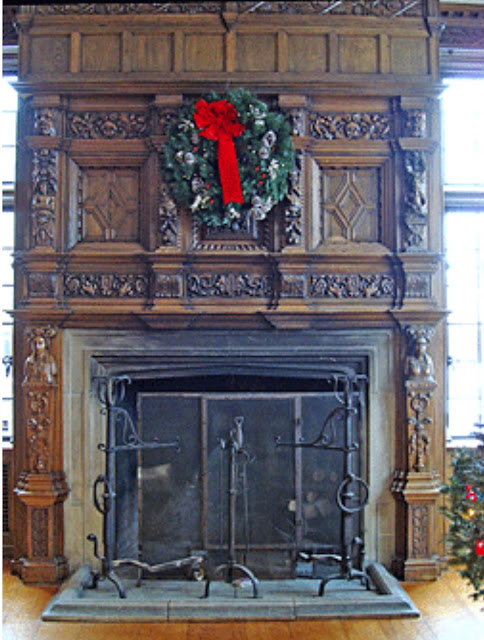
The Pillsbury Mansion — now the Pillsbury Club — is the one with imported English interiors: oak split rather than sawn from Rotherwas Court, a guildhall fireplace that survived the Great Fire of London in 1666, a 1592 marriage fireplace from Devon, and cathedral stained glass gathered from Salisbury. Tours run year round; see Experiences and Tours.
The Carpenter Mansion at 300 Clifton is the other, and it has a trick none of the rest can match: it is a working boutique bed and breakfast, so it is the only mansion in Minneapolis you can tour and sleep in. 300 Clifton has a garden hot tub, hand-painted murals and a speakeasy in the basement, which is not a sentence you get to write about a National Register property very often.
How long, and who it suits
It is a narrated trolley ride, so it suits people who want the history without the four-mile walk — which in practice means it works well for mixed-age groups, for out-of-town visitors, and for locals who have driven past these houses for twenty years without knowing a thing about them. Dates and booking are on the Gilded Age Mansion Tour page; private and group bookings go through group tours and private rentals.
If you would rather have the same neighbourhoods with the lights off, the Candlelight Ghost Tour covers a lot of the same ground with an entirely different tone, and the Narrated Scenic Tour is the wider city version.
Making a day of it
Most of these houses are listed on the National Register of Historic Places, and the Minnesota Historical Society is the right place to go deeper on the milling families behind them. If you want to build a full day around the tour, our own lists are the shortcut:
- Best Minneapolis Tours
- Best Minneapolis Landmarks
- Best Minneapolis Museums
- Best Minneapolis Date Ideas
- Best Speakeasies in Minneapolis
And if the day turns into a stay: 300 Clifton puts you inside one of the houses on the route, while Oakland’s on 9th — a restored 1889 brownstone of furnished studios downtown — is the practical option if you need a week or a month rather than a night.
Ready to ride? Check dates and book the Gilded Age Mansion Tour — it is the thing to do in Minneapolis if you have ever driven down Park Avenue and wondered who on earth built all this.
Keep reading: What to Do in Minneapolis Labor Day Weekend 2026 (September 3–7)